

Astrobiome: the first to introduce the millenary olive tree microbiome into space medicine
Hosted at the French Pavilion, the symposium was organized by Astrobiome Space SARL, a Luxembourg-based company, in collaboration with Ninapharm and Innovation Labo Sciences, Ltd, a Japan-based microbiome research laboratory. Together, these thought leaders and leading researchers engaged Osaka World Expo visitors in one of the most pressing conversations of our time, sharing their groundbreaking advances in wellness, nutrition and longevity microbiomes, which are among the solutions for health in space and vice versa.
How space can contribute to health on Earth, bringing solutions to aging with vitality and prevention, instead of enduring chronic diseases or prolonged decline.
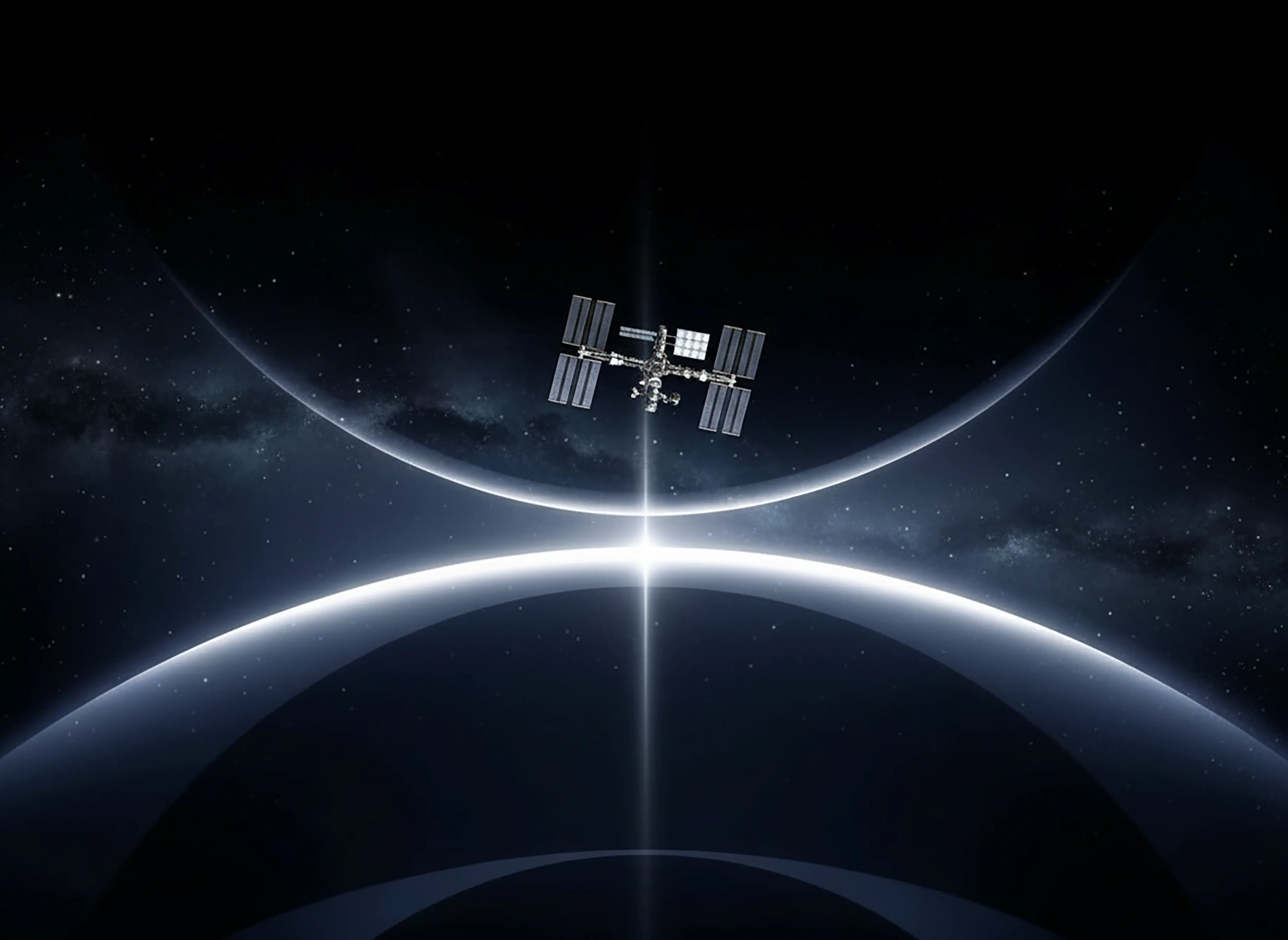
Space presents a very different environment from Earth, characterized by microgravity, high radiation exposure, isolation, disruption of circadian rhythms and limited resources. These extreme conditions place immense stress on the human body, particularly at the cellular and mitochondrial level, where the foundations of health, energy and aging reside.
- The visionary Astrobiome project explores the intersection between terrestrial biology and future human resilience in space. Rooted in the microbiome of a millenary olive tree, the project aims to unlock the secrets of cellular longevity that could revolutionize life on Earth and improve human health in extraterrestrial environments.
- Dr. Bejit Ideas, Chief Scientist at Astrobiome Space and inventor at Innovation Labo Sciences, Ltd, opened the conference by recalling the vital link between evolution and resilience for human longevity. He also discussed the genesis of the Astrobiome project, which stems from 25 years of microbiome evolution research conducted at Innovation Labo, the world’s first research platform for co-culturing bacteria in extreme environments.Vera Mulyani, pioneer in the master planning of human destinations on Mars, founder and CEO of Astrobiome Space, SARL, brought together a prestigious panel of global pioneers for this symposium:
- Astronaut Soichi Noguchi, former JAXA astronaut among the SpaceX Crew-1 crew, shared insights gained during his multiple missions aboard the Space Shuttle, Soyuz and SpaceX Crew Dragon, offering a unique perspective on the effects of spaceflight on the human body and the urgent need for microbial solutions to support long-duration missions.
- Dr. Jennifer Fogarty, former Chief Scientist of NASA’s Human Research Program (HRP) and leading expert in human health and performance in aerospace, emphasized the essential role of preventive medicine, going beyond simply treating disease. She highlighted the vital role that microbiome health plays in maintaining astronaut health, resilience and adaptability beyond Earth’s atmosphere. This is not only essential for the success of space missions, but also for ensuring the long-term well-being of astronauts, who face the unique challenges of long-duration space travel.
- Mathias Link, Deputy Director General of the Luxembourg Space Agency, highlighted the Agency’s missions that led Astrobiome Space to become one of the companies supported by the LSA. He emphasized that the company’s space mission benefits not only Earth, but also fosters international collaboration with organizations such as NASA, JAXA, ESA and LSA. The mission brings together space exploration, agriculture, food security and health, offering significant commercial opportunities and strong potential for a solid business case.
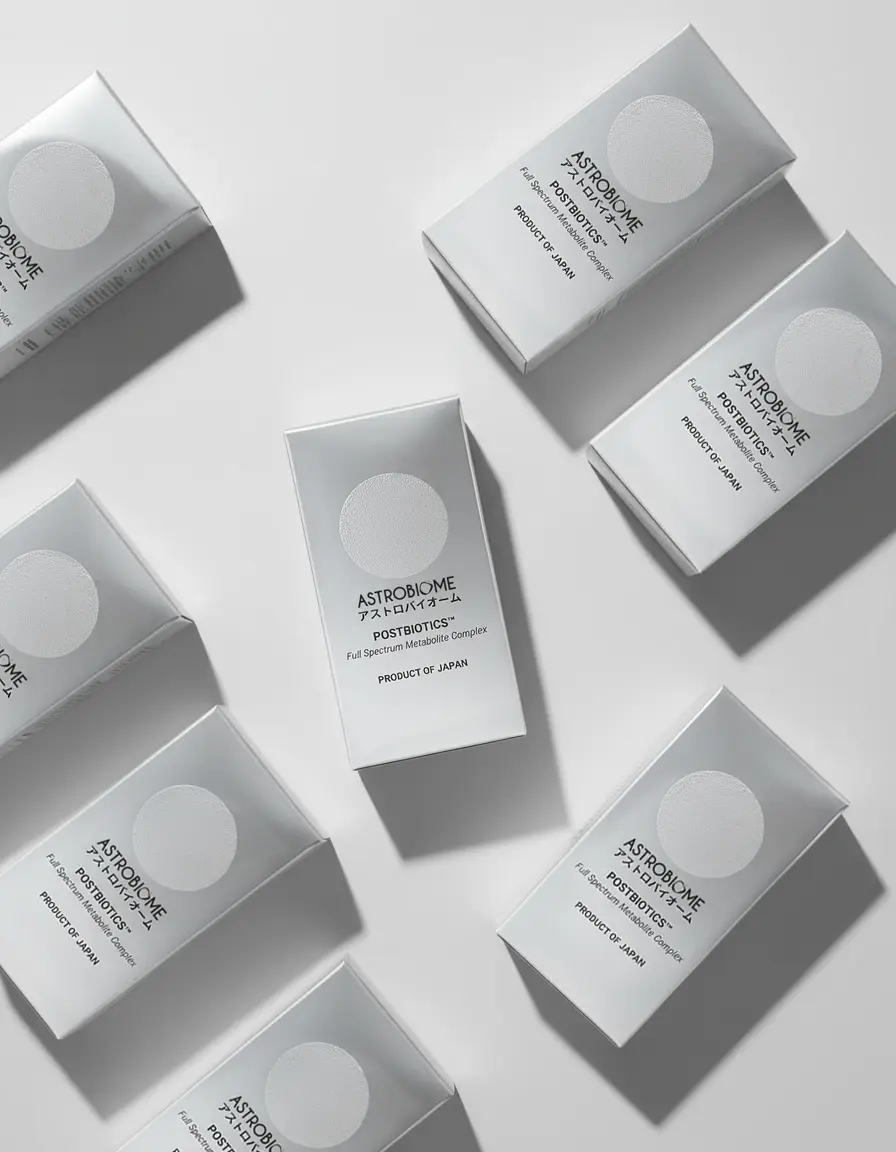
In addition to the speakers specializing in the space domain, Mulyani also presented commercial application cases for Astrobiome® postbiotics in everyday food and beverages:
- Chef Olivier Chaignon, Executive Chef of the 3 Michelin-starred restaurant L’Osier in Tokyo, presented the concept of microbiological agriculture as a new frontier in gastronomy, represented by Tomoka Tamura. He highlighted how cultivating ingredients in microbiome-rich environments, such as soils enriched with beneficial bacteria, can naturally enhance the nutritional and sensory quality of food. He is pioneering a future where chefs collaborate with scientists to co-create ingredients that promote both human health and planetary sustainability.
- Sophie Burrus-Müller, creator of the Chocolkan Brain Longevity project, developed a dairy-free chocolate drink that can improve our memory and promote brain cell repair in order to support longevity.
- David Merle, CEO of Bonneval Waters, provided an insightful example of how Astrobiome’s innovative technology can be applied to beverages. He highlighted the potential of integrating Astrobiome’s advanced microbiological solutions into energy drinks, offering enhanced health and longevity benefits. By harnessing space-enhanced postbiotics, such as those used by Astrobiome®, commercial products can be improved to deliver superior, science-based health solutions that promote human well-being.